Burnt fig Jam – the last of summer

Mid-March and officially it is autumn in Brisbane but the hot 30° days continue; I am still struggling to sleep at night unless the air-conditioning is on and I sit in summer clothes under a fan at my desk. My husband knows it is autumn because the wisteria is dropping its leaves and gives him an opportunity to use his new toy, the noisy leaf sucker

A ripe fig nestling in the leaf axil

A ripe fig nestling in the leaf axil

I know it is autumn because the last of summer’s green figs are struggling to ripen and the large leaves have become brittle. I am greedy and mourn the luscious fruit, on which we have been feasting over this long hot summer. We have eaten fresh figs drizzled with balsamic vinegar in salads, figs wrapped in pastry or prosciutto, with yoghurt for breakfast, with chocolate and coffee, in friands and in jam. It is the glowing amber coloured jam that enables me to enjoy summer in the dreary months of winter because this year our tree started to produce so many figs we couldn’t eat them fast enough and these ended up in homemade Burnt Fig Jam.

Tranquility on a balcony in Lunigiana

Tranquility on a balcony in Lunigiana, you can see the fig tree behind the umbrella.

My first experience of the green fig was with a charming elderly Italian man who lived in a tiny hill-top village in the Lunigiana region of Italy. We had rented a small house in the village and we were sitting in the late afternoon breeze on the terrace overlooking the valley, enjoying the isolation and peace after noisy intense London. I watched as an elderly man approached the huge fig tree growing on the slope below the terrace and started picking the large bright green figs. I was curious about what he was going to do with unripe figs so I wandered down and with pitiful Italian language skills I asked about the fruit. His English matched my Italian so we had a happy afternoon, using sign language and smiles as he showed me how he tested the softness of the fruit to determine the ripeness and then we ate some of these luscious sweet figs. I later put them into a rocket salad and they were delicious with the balsamic dressing. That was the beginning of my passionate affair with green figs.

As soon as I moved back to Brisbane I planted the White Adriatic fig and it has been bearing fruit since its first year. Its fruit have a lime green edible skin and a bright pink inside. Rarely do you see these offered for sale; generally it is the more common brown turkey variety with brownish skin and darker pink flesh.
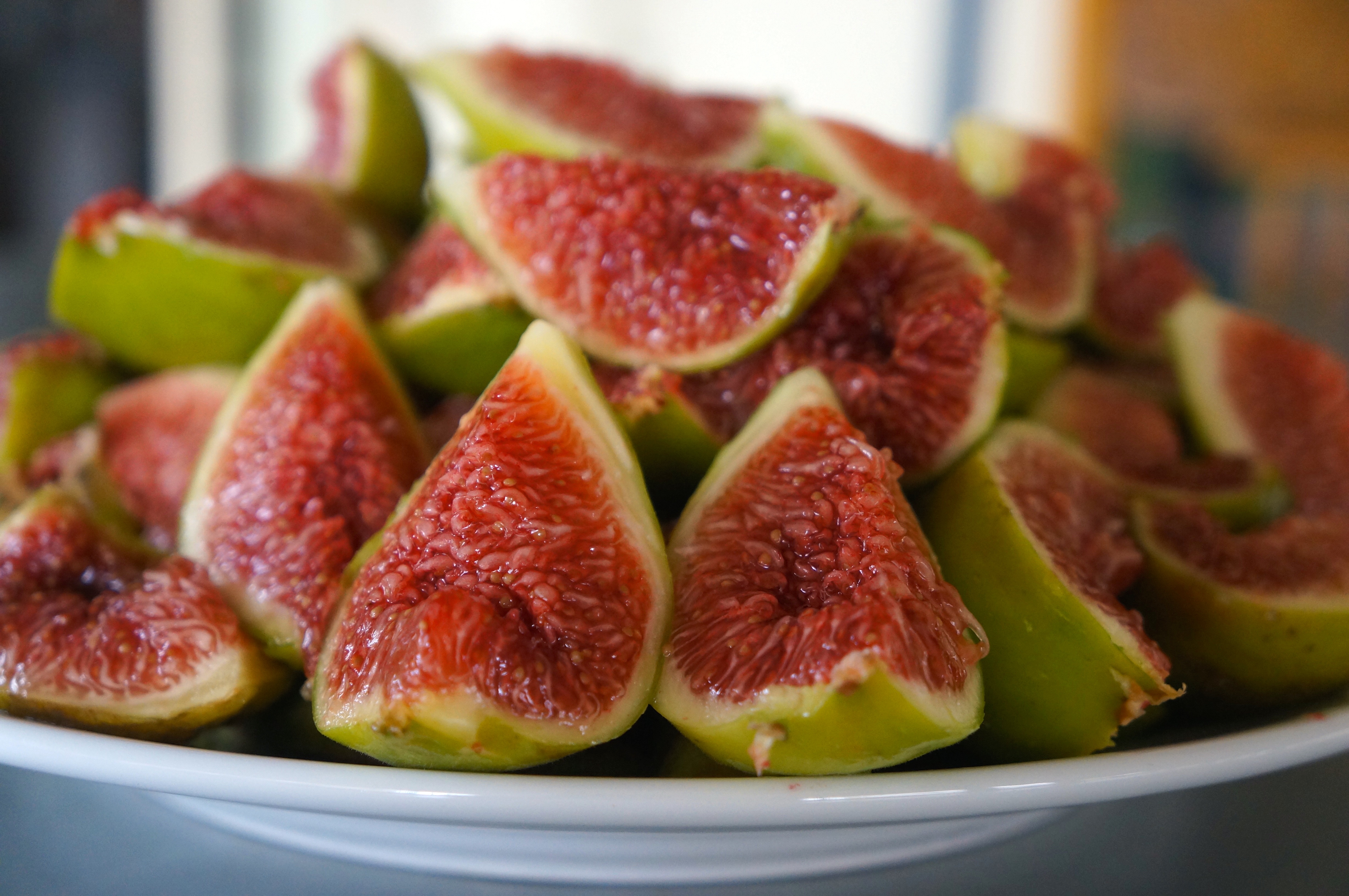
The delicious pink flesh of the green fig, quartered and ready to be cooked into jam.

The delicious pink flesh of the green fig, quartered and ready to be cooked into jam.

The fig tree is a beautiful tree with large deep green segmented leaves but no flowers as the flower is inside the fruit. The leaves are rough and abrasive. Be careful because they contain an allergen and it doesn’t seem to matter how careful I am when picking the fruit, I still end up with itchy skin from accidentally touching the leaves.  The white sap is also a skin irritant. The best way to pick the fruit that nestles against the leaf axil is to wait until it feels slightly soft to the touch and then twist it off the branch so that you don’t tear the skin. Once picked they don’t continue to ripen and bruise very easily.

Each time I look at my fig tree I am entertained with the images of beautiful bodies in art that have had fig leaves added for decorum by puritanical and uptight societies. I blame Adam and Eve for this. There is such a history in the fig and its fruit. Cleopatra is thought to have been killed by the asp hiding in a basket of figs and who can forget Hermione eating the fig in Ken Russell’s 1969 adaptation of DH Lawrence’s’ book written in 1921, Women in Love.

Fortunately the only snake I find in my tree is the occasional green tree snake. In our tropical weather it is usually a battle between the ants, the birds, the possums, fruit bats and me as to who gets to the figs first. I win by picking them late afternoon.
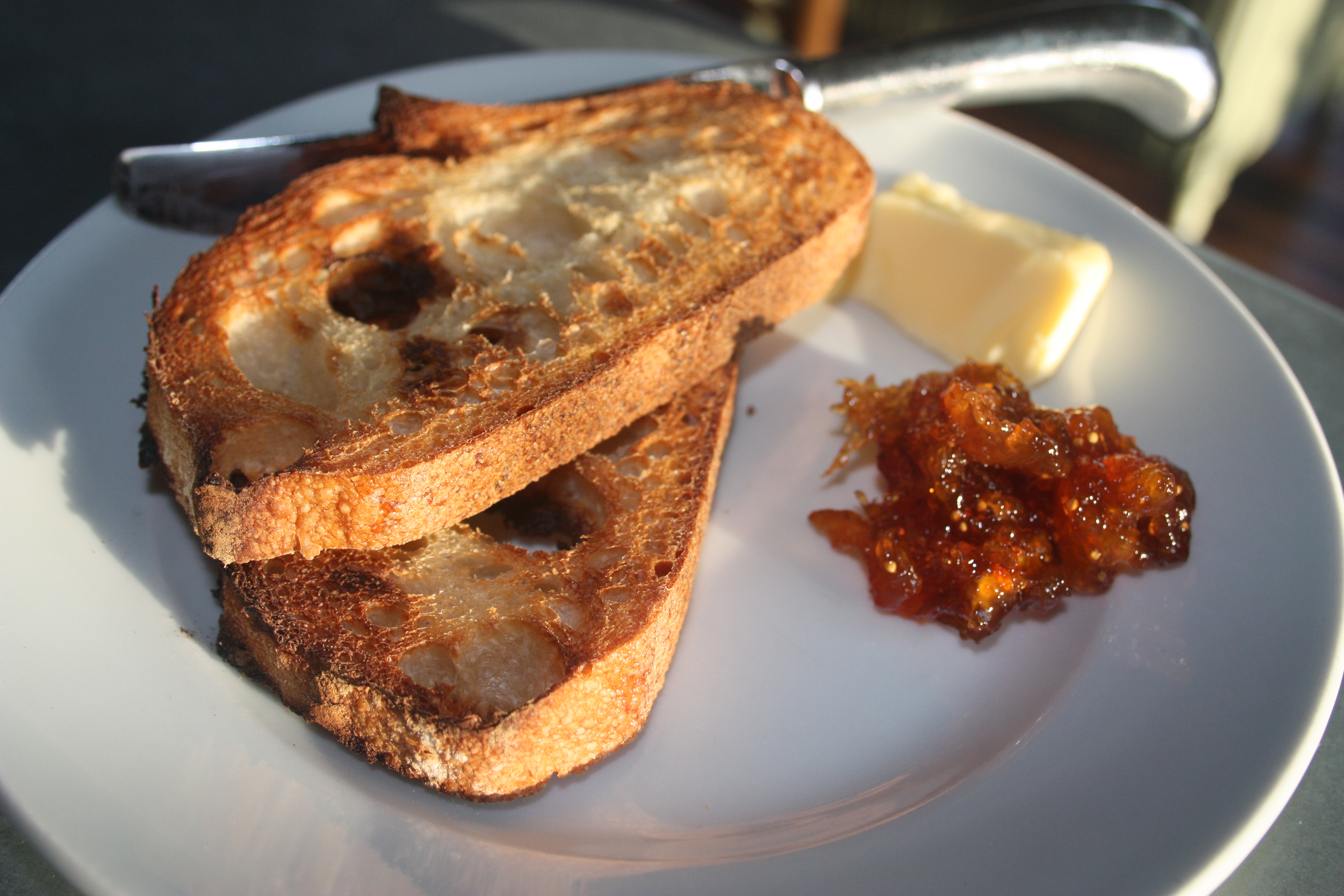
Burnt fig jam with sourdough toast

Burnt fig jam with sourdough toast

One of my favourite breakfasts is to have sour dough toast and burnt fig jam that glistens in the early morning light with a glowing amber quality. It is such an easy jam to make and a great way to use the slightly over-ripe or bruised fruit. I use my Grandmother’s manner of making jam. Measure the fruit and add half the weight of the fruit in sugar, plus a little water and lemon juice from a homegrown lemon. Cook until when tested on a chilled plate it starts to set and voila! You have jam. However, I have written a recipe down for it so that I can pass this pleasure on to my children.
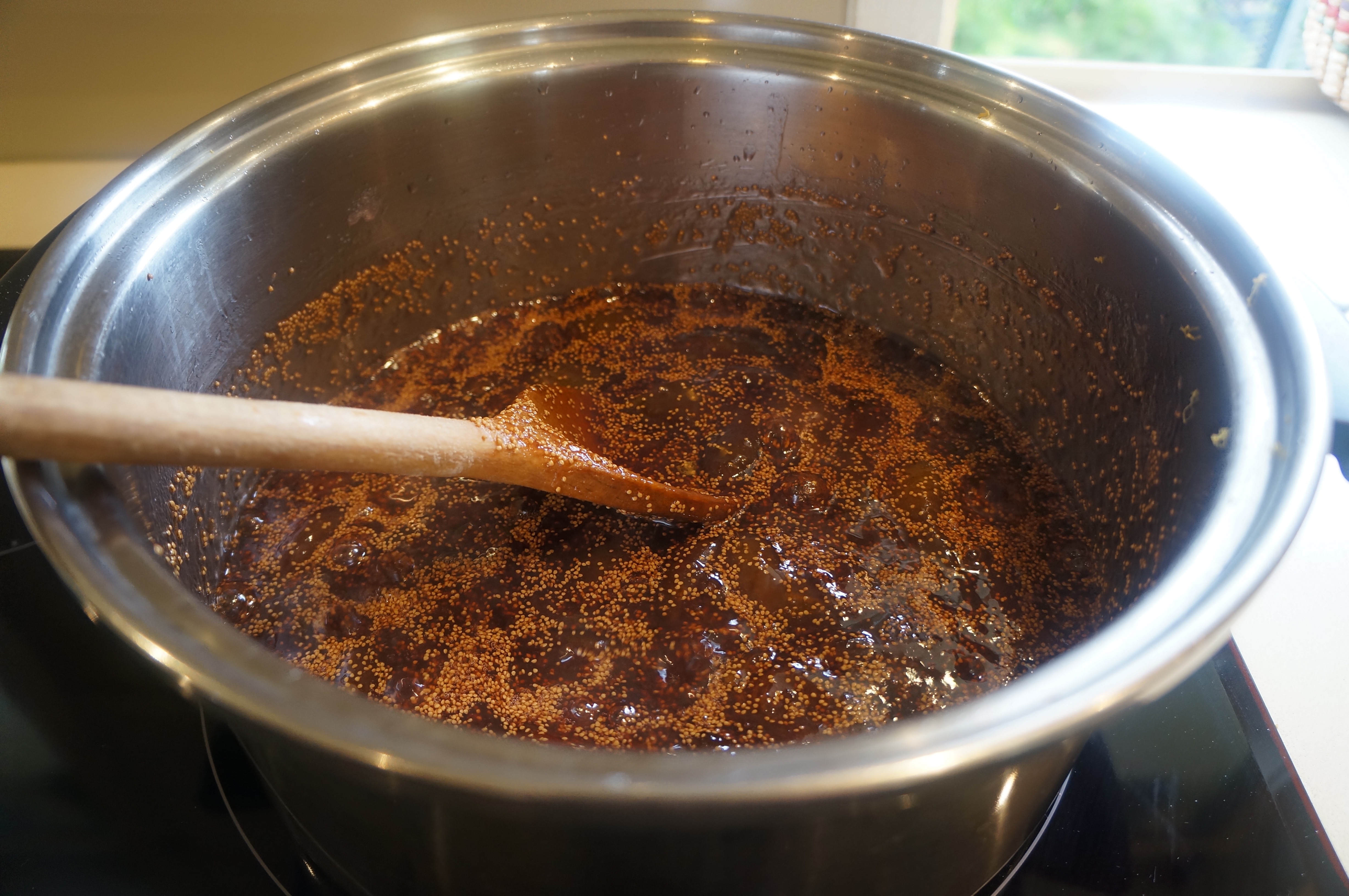
Stirring the burnt fig Jam

Stirring the burnt fig jam

Burnt Fig Jam

Figs from the fruit tree

White sugar – about half the weight of the fruit

Juice of a lemon and the rind

finely sliced or grated

1 tablespoon of dark honey

Cut the figs into quarters and mix with the sugar, lemon rind and lemon juice.

Place in a saucepan over a medium heat and stir until sugar dissolves. The figs will exude a delicious juice. Bring to the boil then reduce the heat and allow to simmer until the fruit starts to fall apart. This takes about 15 to 30 minutes. At this stage it is a good idea to remove the fruit so that it doesn’t become reduced to a pulp. You don’t have to and the jam is lovely whether you remove the fruit or not.

If you want the burnt taste it helps to add a little dark honey.

Add the honey and continue to cook the liquid, stirring gently to avoid burning the bottom of the jam. This takes about another 10 to 15 minutes and you have to be vigilant to avoid the jam burning which will give a bitter taste. You can test to see whether the jam has reached setting point by dropping a small amount on a chilled plate that has been sitting in the fridge. If a skin starts to form on the jam it is ready.

Turn off the heat and pour into clean sterilised jars.

This is a very thick almost toffee like jam that is delicious either with sour dough toast or on a cheese platter.

Dampened spirits

Not even cyclonic rain can disturb a cat nap.

Not even cyclonic rain can disturb a cat nap.

I love this cyclonic weather because I don’t need an excuse to settle down with a good book I just have to fight Colin the Cat for the most comfortable chair and believe me, he is a good fighter.

Sitting looking out at the dense clouds covering the hills I occasionally feel sorry for my daughter-in-law with two small children to entertain but, been there done that with 8 weeks of solid tropical rain immediately after my third baby was born. My entire house was covered in play dough and wet washing.

drier days

drier days

I wish I had an umbrella - Feathers cannot withstand cyclonic rains

I wish I had an umbrella – Feathers cannot withstand cyclonic rains

Now I look out through wet windows at my garden where the flowers are drooping from the heavy downpour and the figs are beginning to get soggy skins and a tiny flash of colour catches my eye. There, sheltering under our awning beside the feeder that attracts them each morning, is a small very wet lorikeet. It looks miserable and very very sodden. I am glad it has had the sense to shelter there and wonder where the rest of its flock have disappeared to.

Colin is bored; he stretches out, digging his claws into my lap. He is looking around for an ankle to bite, disdainful of the cat nuts that have probably gone soggy by now. Don’t worry little bird I will keep the cat inside so that he doesn’t see you and tomorrow I promise there will be honey and bread for you as usual.

Morning feeding battle

Morning feeding battle

The Treasurer and the Cat

Alert to the situation

Alert to the situation

There was some dissension around the food bowl when the Treasurer commented recently on the price of cat food and the Minister for Home Affairs decided that the Treasurer had lost touch with the cat on the street and the cost of living. So the Minister sent said Treasurer off to become he who hunts for the family.

‘I can do that,’ said the Treasurer, ‘I used to do this singlehandedly.’

‘Sure, 16 years ago,’ MHA replied.

It wasn’t a difficult task, only 5 items on the list; so off the Treasurer went to joust with other similar souls to ensure he got the best deal possible for the Exchequer. Soon he returned, muttering about joining the Grexit.

‘You don’t get much for under $70 do you,’ he said. ‘However, I got a good deal on shampoo so I won’t have to use your very expensive brand. Life was much simpler 16 years ago when I could buy the one shampoo and know what I was using. Now, I am confused by a plethora of choices.’

He held up a bottle of Head and Shoulders, smooth and silky. The Treasurer cast me an arch glance. ‘Now when you are stroking me, just don’t confuse me with the cat.’

Totally relaxed

Totally relaxed

A kale salad for a hot summer evening

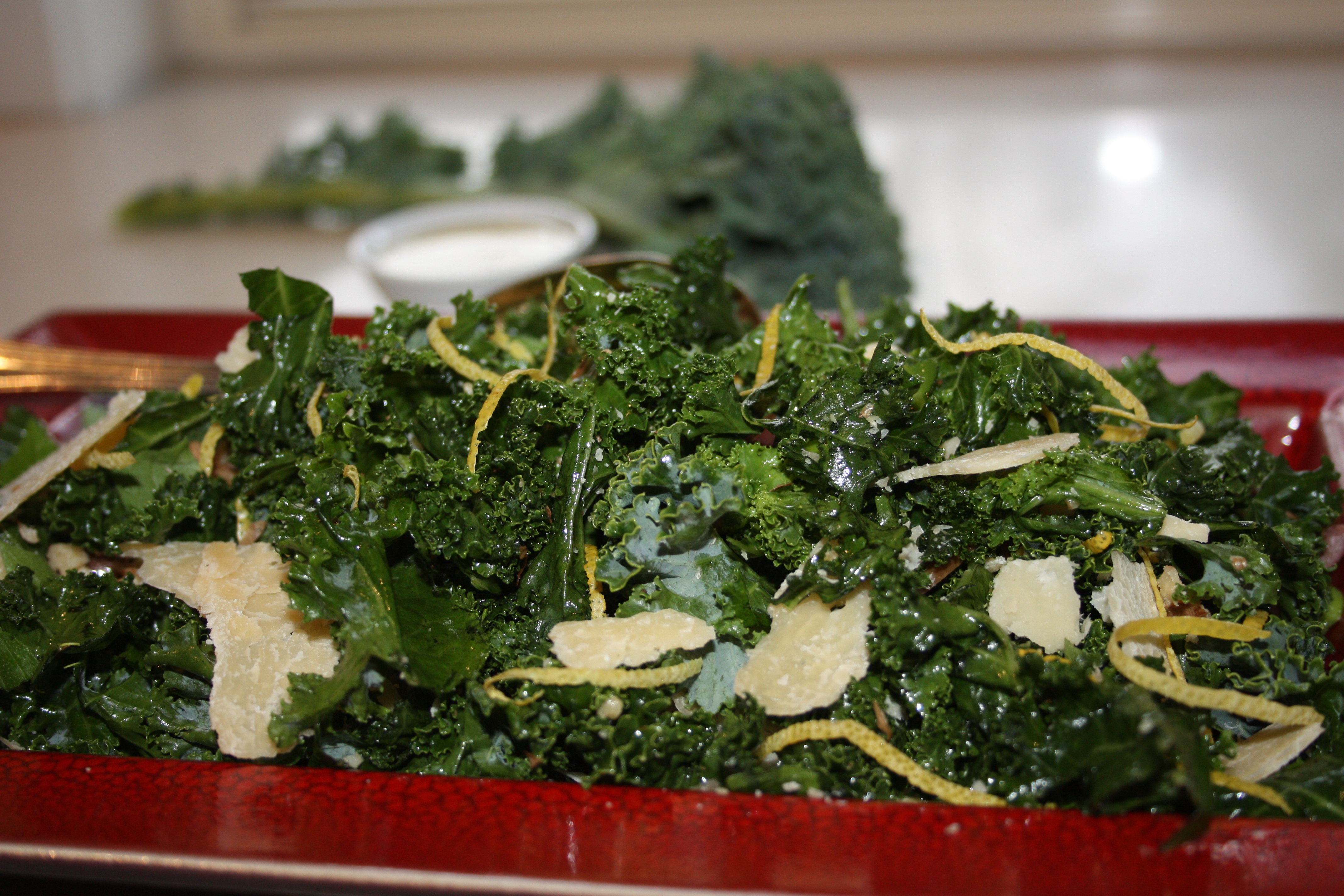
Kale saladIn Brisbane the summer rains have revitalised my garden but have also contributed to raising the humidity without dropping the temperature. By the end of these steamy days we are all wilting, appetites dulled by the heat and even the traditional rocket and spinach salads look limp and uninviting. This is when I resort to a kale salad that with its sturdy leaves always looks bright green and tempting. I don’t add too many ingredients to a kale salad, as they get lost amongst the strong curly leaves. In fact a simple dressing of lemon and olive oil, with a scattering of walnuts and of course slivers of Parmesan with its slightly nutty sweet flavour is absolutely perfect.

Parmesan is one of my favourite cheeses; I love its flavour and its versatility in cooking. So of course when I found an opportunity to visit a small co-op cheese-making facility in Emilia-Romagna I didn’t hesitate. Our guide was a charming English woman married to a local Italian and she explained the process as we watched.

The amount of fat is crucial in the production process. The previous evening’s milk from which the fat has been removed to make butter is combined with the fresh morning milk in enormous copper cauldrons. Here it is heated gently and stirred and whey that is rich in lactic acid is added from yesterday’s production to acidify the mixture. The heat is turned off and calf’s rennet is added to coagulate the milk. Curds start forming soon after and are stirred using a traditional tool called a ‘spino’ that breaks the curd into granules.

Separating and draining the 'twins'.

Separating and draining the ‘twins’.

The mixture is reheated to 55°C and cooked for about an hour. The curds sink to the bottom of the vat and start to form a mass. Then using wooden paddles the cheese makers lift the curds in a muslin cradle before a cheese maker expertly slices the mass in half. These ‘twins’ are wrapped in muslin and hung from poles to drain. The whey is collected for the next day’s cheese making or to feed the pigs from which prosciutto is made.

The cheese soaking in the brine bath.

The cheese soaking in the brine bath.

The curds are then transferred to round wooden containers where they are given a unique number, branded with month and year and dairy registration for easy identification.  After further draining the cheeses are placed in long vats of brine where they bob around for 24 days.

Racks of drying Parmesan.

Racks of drying Parmesan.

The final maturation process occurs when the cheese wheels are placed on shelves in curing rooms where they rest for at least a year and up to three before being released for sale. Every 10 days the cheeses are wiped free of mould, brushed dry and turned.  Independent testers determine whether the cheese meets the high standards expected by the Consorzio el Formaggio Parmigiano Reggiano.

This kale salad travels well if taking on a picnic or to a friend’s home and is delicious.

Kale salad with walnuts, Parmesan and lemon.

  • A couple of leaves of kale
  • ¼ cup of finely chopped walnuts
  • Grated rind of a lemon
  • Slivers of Parmesan (or Pecorino if you don’t have Parmesan)
  • olive oil and lemon juice vinaigrette
  • Extras: slivers of black olives and sliced green shallots

Remove the hard core and leaf stems from the kale then cut it into small pieces. Pour a small amount of lemon juice into a bowl. Because kale is so tough, which does mean good fibre in your diet, it improves if it is massaged with a little lemon juice and salt. Dip your fingers in the lemon juice and massage the pieces of kale before placing in the salad bowl. This also gives it a lovely colour. You can see the difference in the colour in the first picture where there is a small section of the leaf that wasn’t rubbed. It is much paler.

Kale gets better also if it is allowed to rest for a couple of hours so this salad is even nicer made ahead of time. Sprinkle the kale with finely chopped walnuts and grated lemon. Place slivers of Parmesan over the top of the kale and toss in a lemon and olive oil vinaigrette. I sometimes toss slivers of stoned Kalamata olives and shallots over the top of the leaves. IMG_6360

Family and friends are so important

Celebrating Christmas with my parents.

Celebrating Christmas with my parents.

With our children and family scattered across the country and around the globe, Christmas has become an opportunity to enrich existing friendships and make new ones with this year being as much about waifs as family.

It was a time of sadness for our family as we farewelled a much-loved uncle and it made the Christmas meal shared with my parents even more precious. Despite being in their eighties they were determined to travel south to share this time with their daughters and family in Canberra and Sydney.

Christmas Eve 2014

Christmas Eve 2014

Christmas Eve was a treat with my son and his wife hosting our family. Gifts were exchanged with the two small boys probably enjoying the unwrapping as much as the gifts although the selfie stick seemed to be the most played with toy amongst the foolish grown-ups. I have yet to get my hands on it.

We dined well with each person bringing a plate and as usual over catering so we have been eating salads and cold meat for days but it was great fun and we were delighted to welcome my daughter’s flatmate to our celebrations.

Christmas morning 2014

Christmas morning 2014

Christmas morning was spent with a girlfriend and her family for whom Christmas is a particularly poignant time as she lost both her parents during this period some years earlier. We have known each other all our lives and she is as much a sister to me as my own sisters. She and her husband are incredibly loyal and generous friends and it was a special time spent reminiscing about past Christmases.

Christmas evening was truly a communal affair sharing delicious food and wine at a long table. Wonderful friends who still live in the ‘dead-end’ street in which I raised my family opened their home to everyone in the street plus various relatives, friends and waifs. Three generations from 90-year olds down toasted each other, celebrating life and friendship.

Two days later we sat with another son and daughter and their extended family from Germany and Holland sharing a fabulous lunch and watching small cousins play with each other.

These shared meals were so much fun I think this should be my aim for 2015: to continue the momentum and invite family, friends and strangers who won’t be strangers for long to join our table and share experiences.

Thanksgiving after a storm

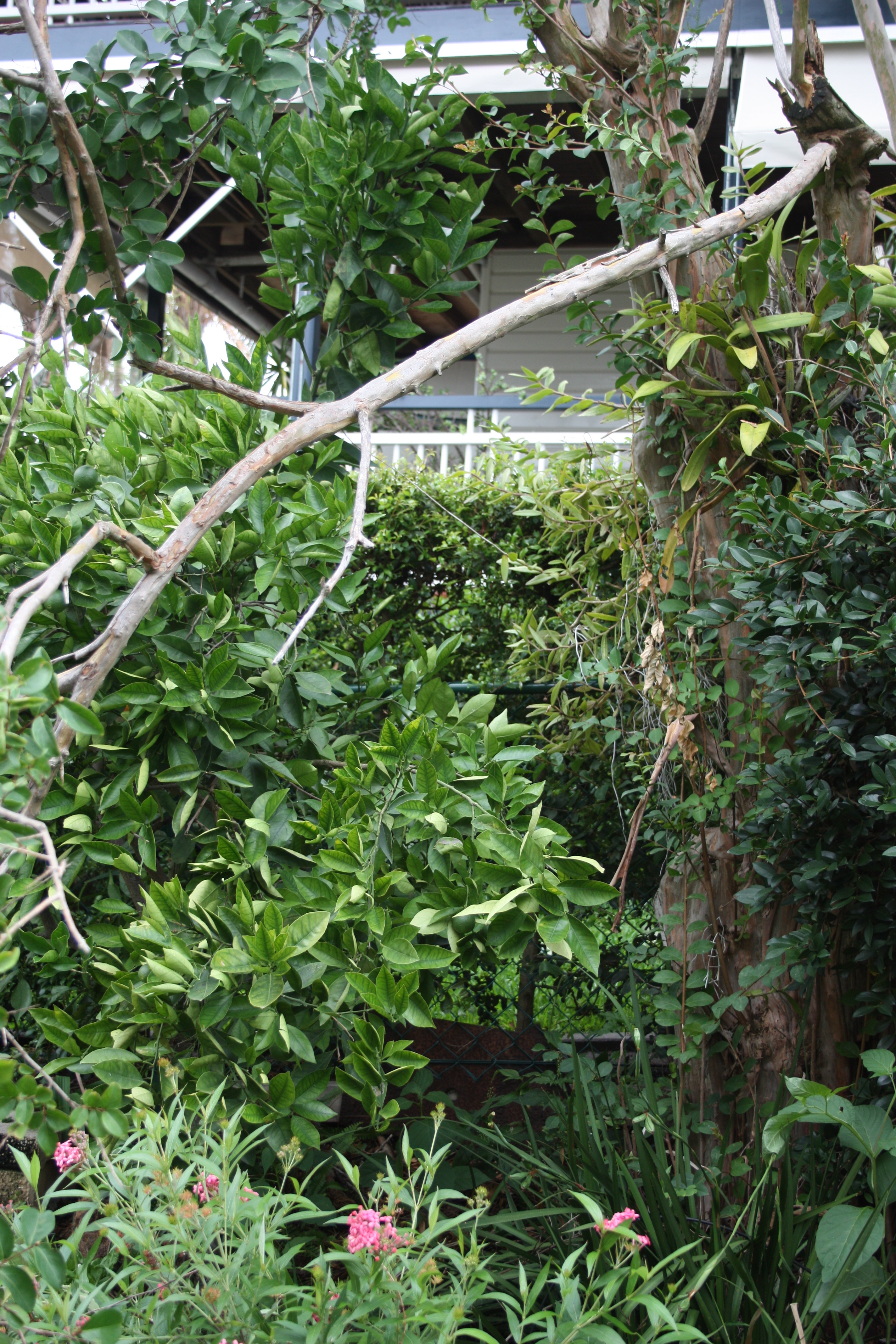
We lost a few small branches from some trees.

We lost a few small branches from some trees.


Normally we don’t celebrate Thanksgiving in our family but last night whilst preparing dinner I decided that in future I might do so. Earlier that afternoon a friend and I had driven down the range from Toowoomba and across the dry plains and watched two storm cells form off to the south.

Our hopes of out running the front were quickly blown away in as a cloud of dust and building material whirled up into the sky and across the road. My friend slowed down and we drove in the shadow of a semi-trailer hoping that not only would it shield us from any debris blowing around but also that it wouldn’t be pushed over on top of us. Huge gusts were buffeting the car and making us slide across the lanes.

The lightning was so bright that every time it flashed my friend cringed and clutched the steering wheel even tighter than she had been. Lightning flashed ahead of us and we were hit with a blinding downpour forcing some cars off the highway.


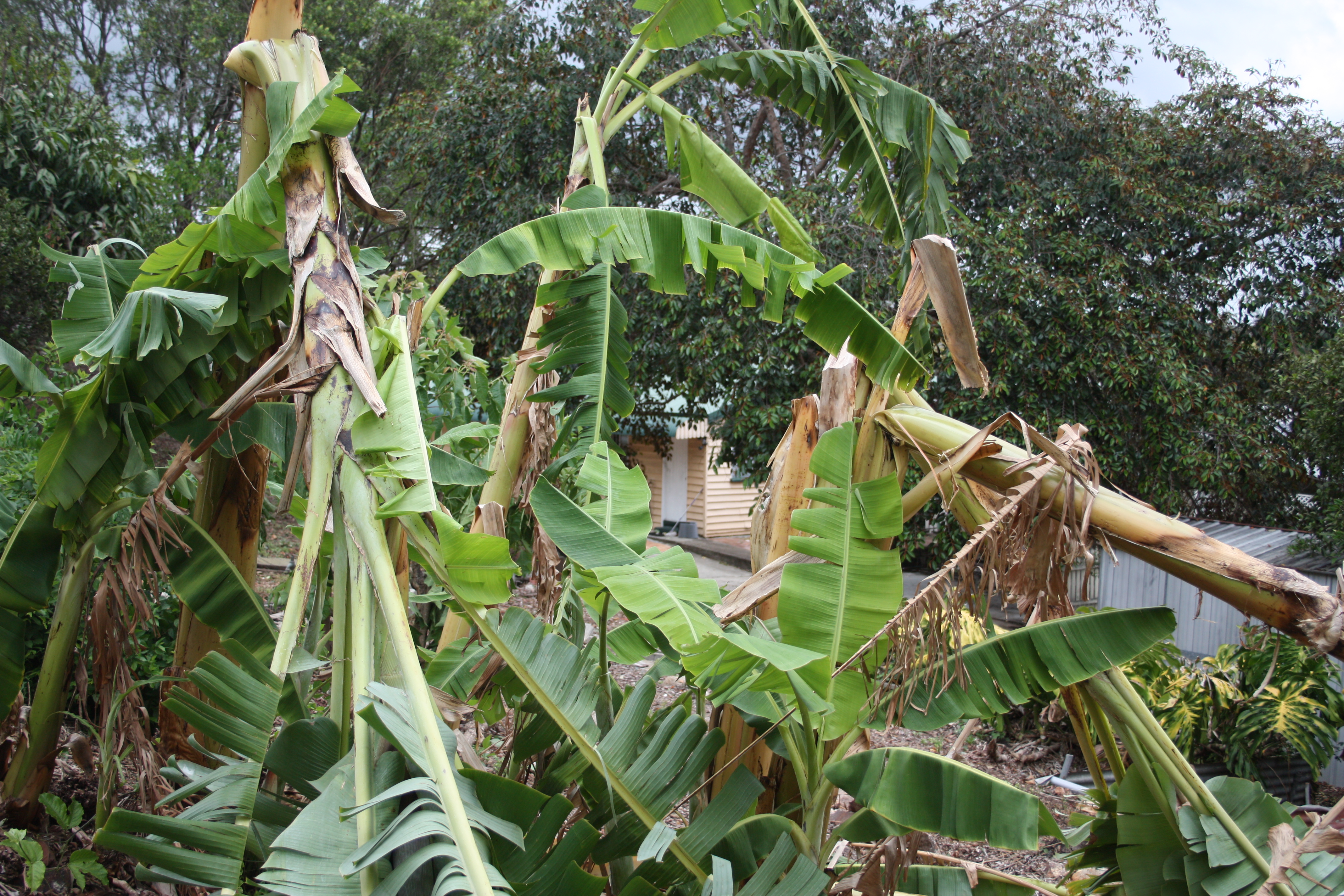
The Banana trees couldn't withstand the wind.

The Banana trees couldn’t withstand the wind.

When we passed through the storm onto the suburban roads we found an obstacle course of vegetation and debris made more challenging due to the slippery surface of leaf litter and deep puddles. I was so relieved when at home I found how lucky we had been; apart from a few branches off the trees, lots of leaf litter, and a very wet deck our only problem was no power but twelve guests for dinner.

As our planned guests thought it wiser to stay with their children at home where there was power I offered dinner to my parents who also had no power. My husband  barbequed the ham which had been marinated in thai flavours, and using the last of the evening light I concocted a beetroot and carrot salad with coriander and lime plus a simple green salad.  In the peace after the storm, still with no electricity, we dined by candlelight offering a Thanksgiving toast to friends and family who were safe.

The flavours we used for the ham were very different to the traditional ham glaze but it worked very well. We pounded together: a red chilli from the garden, fresh coriander, a teaspoon of 5 spice powder, a cup of dark brown palm sugar, 2 teaspoons of ginger chopped finely, vietnamese mint also from the garden, three soft fresh kaffir lime leaves and lime juice to moisten the paste. We cooked the ham in the now hot BBQ for about 40 minutes.

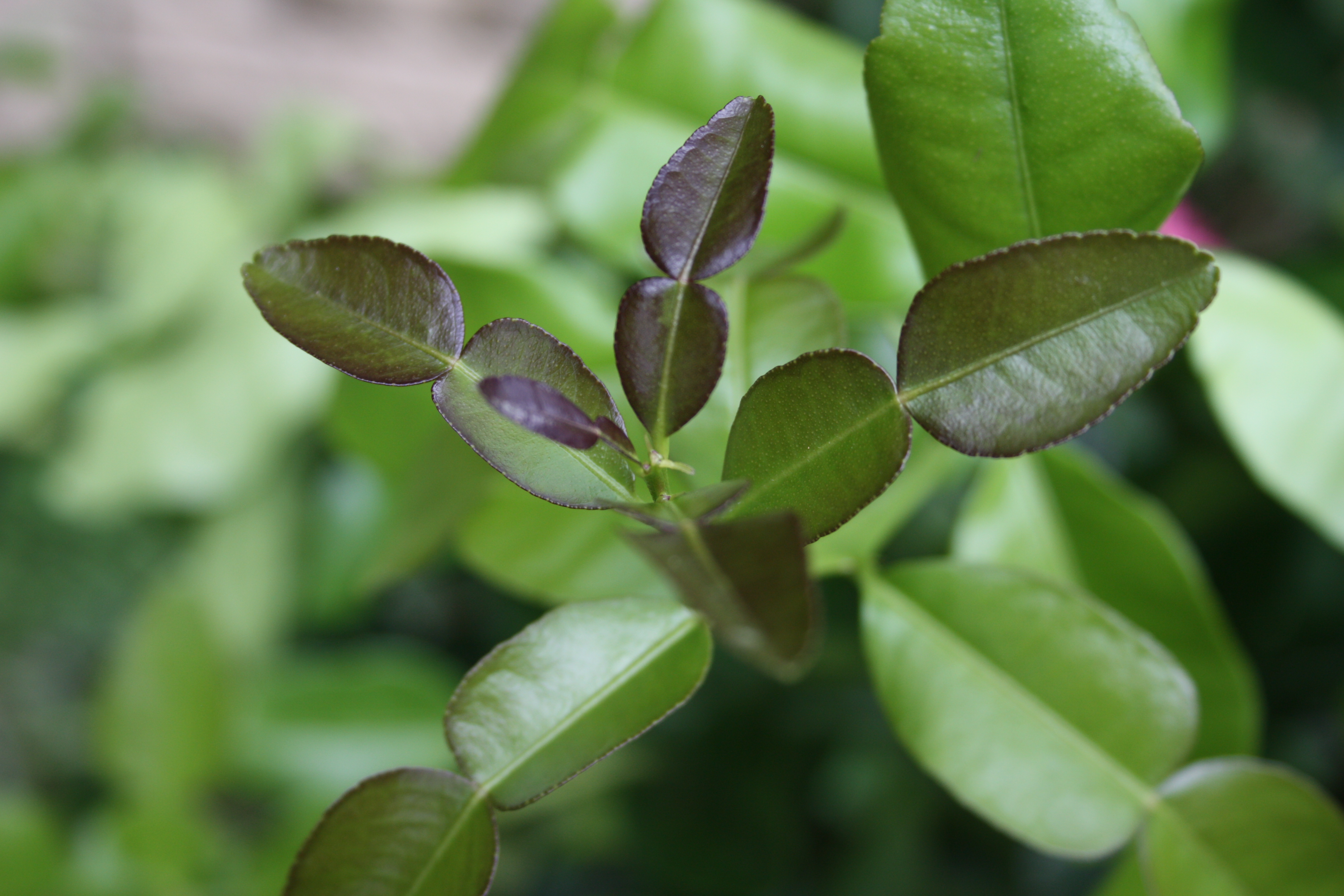
Kaffir lime leaves

Kaffir lime leaves

A Summer squash salad

Our unseasonal hot weather is stretching my imagination for summer salads that tempt the taste buds. Seeking inspiration I rummage through the vegetables in the fridge and came up with what I think is a perfect salad: a marriage of colour and tasty. I served it on the pretty yellow Laburnum Petal plate available at my Maddie & Marie online shop.

The squash and zucchini salad is tempting and tasty.

The squash and zucchini salad is tempting and tasty.


I served it on a pretty lemon yellow plate and drizzled a saffron infused vinaigrette over the top. I added a few beans which were also in the fridge but you could use other firm green vegetables such as the stem of asparagus or broccolini. It was delicious.

2 small yellow squash

2 small to medium zucchini

A handful of green beans

A handful of rocket or small English spinach leaves

Slivered almonds, toasted

Fresh parsley

If you have a mandolin this makes slicing easy, otherwise slice the squash and zucchini very finely. Steam the green beans until just cooked. I prefer them to be crunchy. Toss the vegetables together with the rocket or spinach leaves. Sprinkle the toasted slivered almonds over the top with ripped parsley leaves.


Easy to make Summer Salad

Easy to make Summer Salad

To make the vinaigrette:

Saffron threads infused in 2 tablespoons hot water

Juice of half a lemon

Light olive oil

1-2 tablespoons tahini

½ teaspoon mustard

Salt and pepper

Blend together the saffron infused water, lemon and olive oil in the combination of ⅓ water and lemon juice and ⅔ oil. Add the mustard and tahini and taste for flavour. Add salt and pepper. The longer you leave this dressing the brighter the yellow colour becomes.

Drizzle the dressing over the salad and serve to gasps of delight.

Chilled Carrot Soup


Summer is here way too early;  30 degree days but at least the evenings are cool. I had invited friends over for a Sunday evening meal and wanted to prepare something ahead of time so I could enjoy talking with them rather than rushing around in the kitchen. I wanted something pretty and summery in colour and flavour.

Carrot Soup is a glorious summery colour

Carrot Soup is a glorious summery colour

Not only was I providing a delicious entrée but I suggested I was giving them youth dew.    Carrots are rich in anti-oxidants including beta-carotene which is thought to play a role in helping our immune system and possibly lower the risk of developing cancer or heart disease. Beta-carotene is converted into Vitamin A which aids eye health and revitalises the epithelium.

Carrots also contain Vitamin C another strong anti-oxidant, plus smaller amounts of Vitamin K, E,  B6 and B12. It also contains calcium, iron, zinc, magnesium, phosphorous, manganese, and potassium for your heart and blood pressure. Plus of course all that fibre, with no fat or cholesterol.

So to the Chilled Carrot Soup recipe which is such an easy recipe and so delicious.

Because I had run out of chicken stock I made a vegetable stock first with the ends of some asparagus I had in the fridge plus the leaves from the leek, half a small onion chopped, a bay leaf, sprigs of parsley and thyme,  the peels and ends of the carrots and a few black peppercorns which I simmered for 40 minutes before I used it in the soup.

  • 2 tablespoons vegetable oil
  • 1 onion, finely chopped
  • 1 leek finely sliced,
  • 750 g carrots, peeled with the ends cut off and sliced
  • Sprig of thyme, or chopped fresh ginger
  • 1 litre vegetable stock (or light chicken stock)

Add the oil to a large soup pan, and sauté the chopped onion and leek over a gentle heat until translucent, about 10 minutes. Add the carrots, stir to combine then add the stock, bring to the boil, then reduce the heat, and simmer until the carrots are tender.

Cooking the Carrot Soup

Cooking the Carrot Soup

Remove from the heat and blend until smooth. Chill in the refrigerator until ready to serve. This soup is also lovely served warm.

Flavouring ideas: you can add fresh coriander to the mixture while cooking, or ½ teaspoon ground cumin or 1 tablespoon finely chopped fresh ginger to give the soup a Moroccan flavour.

Hints: If you have run out of stock, use unsweetened carrot juice to add flavour rather than just use water.


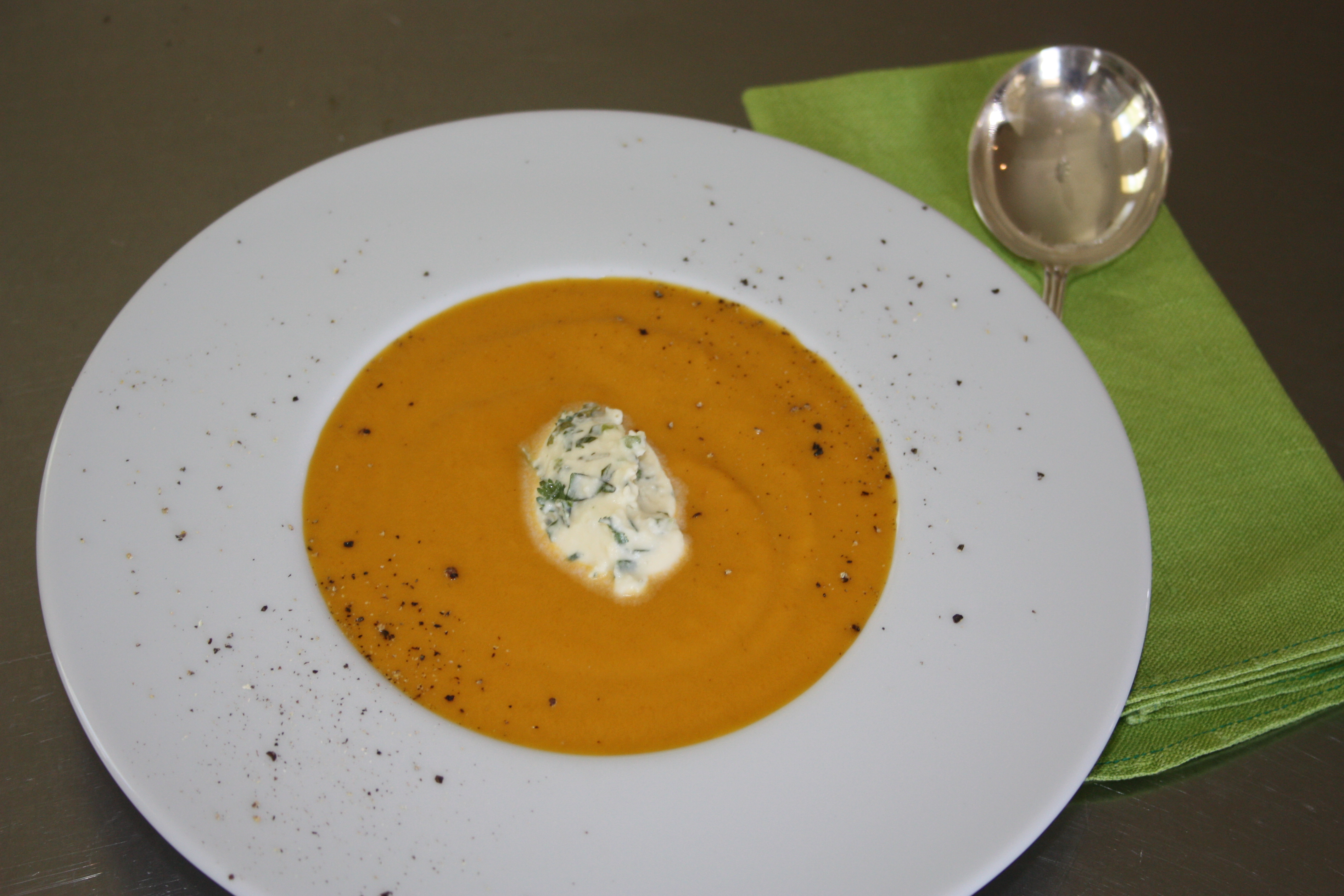
The carrot soup

The carrot soup

Serving suggestions:

  • A swirl of sour cream, a scattering of coriander or thyme and a grind of pepper
  • I whipped up some crème fraîche until it was thick, then added finely chopped garlic chives from the garden and some thyme,
  • Lightly steamed carrot balls which are then chilled

Lest We Forget

Polygon Wood Commonwealth War Graves

Polygon Wood Commonwealth War Graves

I am sitting in the hot November sun at the Remembrance Service and I still shiver when I listen to the words of ‘In Flanders Fields’ and the Bugler playing The Last Post and the Rouse

When I was 19 I walked the hills and beach of Gallipoli with my boyfriend but I was young and in love and the deaths that had occurred did not make me sad. I was too busy living. Over three decades later I toured many World War 1 battle sites with my husband and despite his enthusiasm and knowledge, I kept feeling revulsion and horror at the stupidity of the tactics that caused such enormous numbers of our young men to die. I was now a mother with a son in Iraq and Afghanistan and I could not escape the visceral pain that refused to go away until I knew he was away from that theatre of war.

Red tulips beside grave

Red tulips beside grave

It is a good thing to stop for a moment at 11 am on 11 November to remember those known and unknown who died or suffered for Australia in war and armed conflict. Listening to the music, I try to tally up my family’s military connections; husband, sons, fathers, mother, sister, uncles and great-uncles stopping around a dozen and that is only the immediate family. The military has been kind to my family who lost my Great-Uncle Lionel, killed near Fromelles. I read his name on the wall at Villers-Bretoneaux.

Susie below Lionel Young's inscription

Susie below Lionel Young’s inscription

Each year I plant some poppy seeds in my garden and watch with pleasure when they raise their bright blood-red flowers above the leaves. It gives me a feeling of connection and is a reminder, Lest We Forget.

Preserved Lemons

My delicious preserved lemons

My delicious preserved lemons

Preserved lemons: their beautiful colour and flavour enhance every dish they are added to. I use it in meat dishes to give a Middle Eastern and Moroccan flavour particularly to chicken and lamb. I add it to couscous, bulgar and quinoa salads and roasted vegetables.

How could I let myself use all my preserved lemons without preparing another batch? I had been waiting of course to try to get unwaxed lemons from my local market or from my trees but the timing hasn’t been right. It doesn’t take long to make a batch and it is so satisfying every time I open the fridge to see the squat bottle filled to the brim with beautiful jewel coloured lemons pickling in the salted water. I am collecting my recipes that use preserved lemon in anticipation.

Select a wide-mouthed jar to make it easier to push the lemons into. I use a Kilner jar. Sterilise the jar by boiling it in a large saucepan of water for a few minutes. Drain and allow to cool.

To prepare:

Lemons, preferably unwaxed

A bay leaf, preferably fresh

Salt –

Water or lemon juice


Wash the lemons in warm water to assist in removing any wax. Cut the lemons into quarters almost to, but not completely to the bottom of the fruit.

Pour a spoonful of salt into the lemons and squash it into the jar, keeping upright to retain as much salt as possible in the fruit. Continue to do this packing in the lemons as tightly as possible into the jar. If you can keep the lemons whole they look better, but you can also add halves and quarters to fill the spaces in the jar. Don’t worry if the salt spills out into the jar. Once the jar is full of lemons, fill the spaces with either water or if you have lemon juice left over from another recipe, add that as well. Try to remove all the air pockets. I add a bay leaf to the top of the jar for colour and flavour. You can also add coriander seeds for additional flavour.

Close the jar tightly and leave undisturbed for at least a month.


To use: Remove the lemon from the jar, scoop out the flesh and discard. Rinse the rind and then slice or chop it according to the recipe that you are making. Bon appetite!